Outside the Box Escape Rooms
2023–2024
Creative Technology · Interactive Systems Architecture · Experience Design
Lewis Gunter, creative lead
Matt Ricks
Electrical engineering interns and additional project contributors
Overview
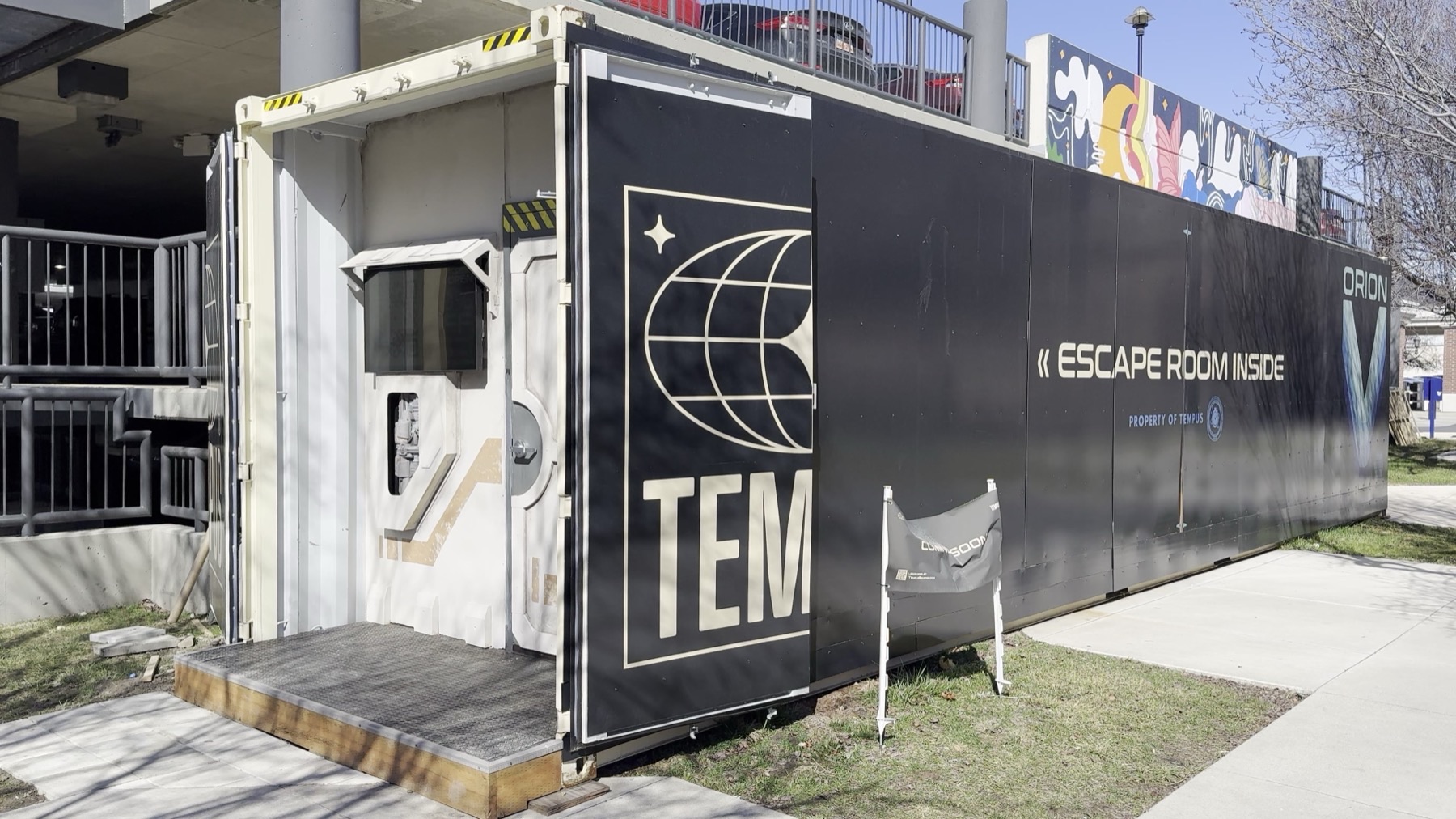
Outside the Box began with an idea from creative lead Lewis Gunter: build a largely automated escape room inside a shipping container. The room is called Orion V.
Lewis and Self Similar were the core two-person team. We led the technical architecture and integration, and because the team was two people, we had a hand in most of the rest too: puzzle design, software, electronics, fabrication, testing.
The goal was one connected room rather than a collection of electronic puzzles. The technology had to run the experience, respond to players, and fully reset itself between groups without ever pulling guests out of the story.
One Connected Experience
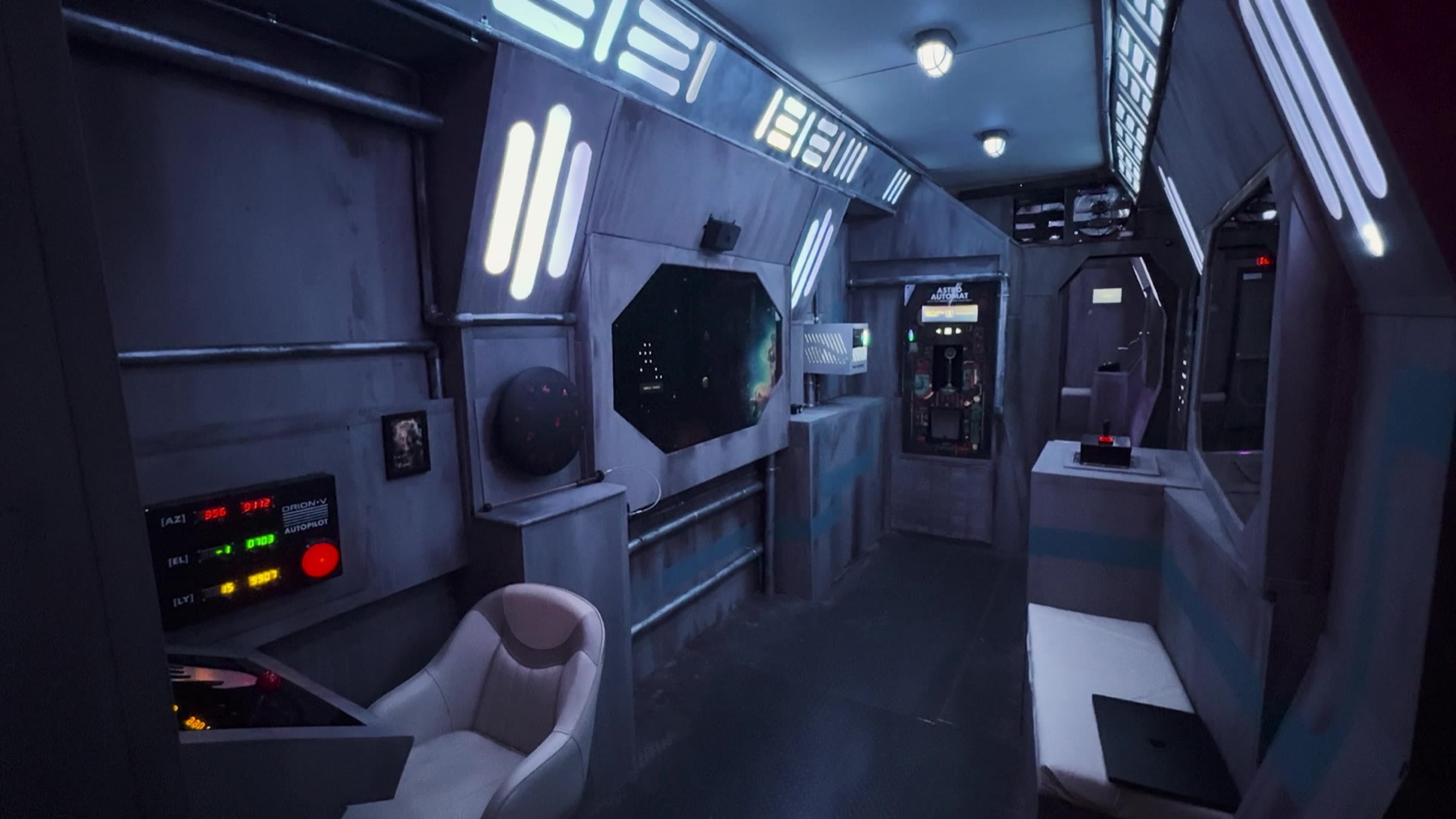
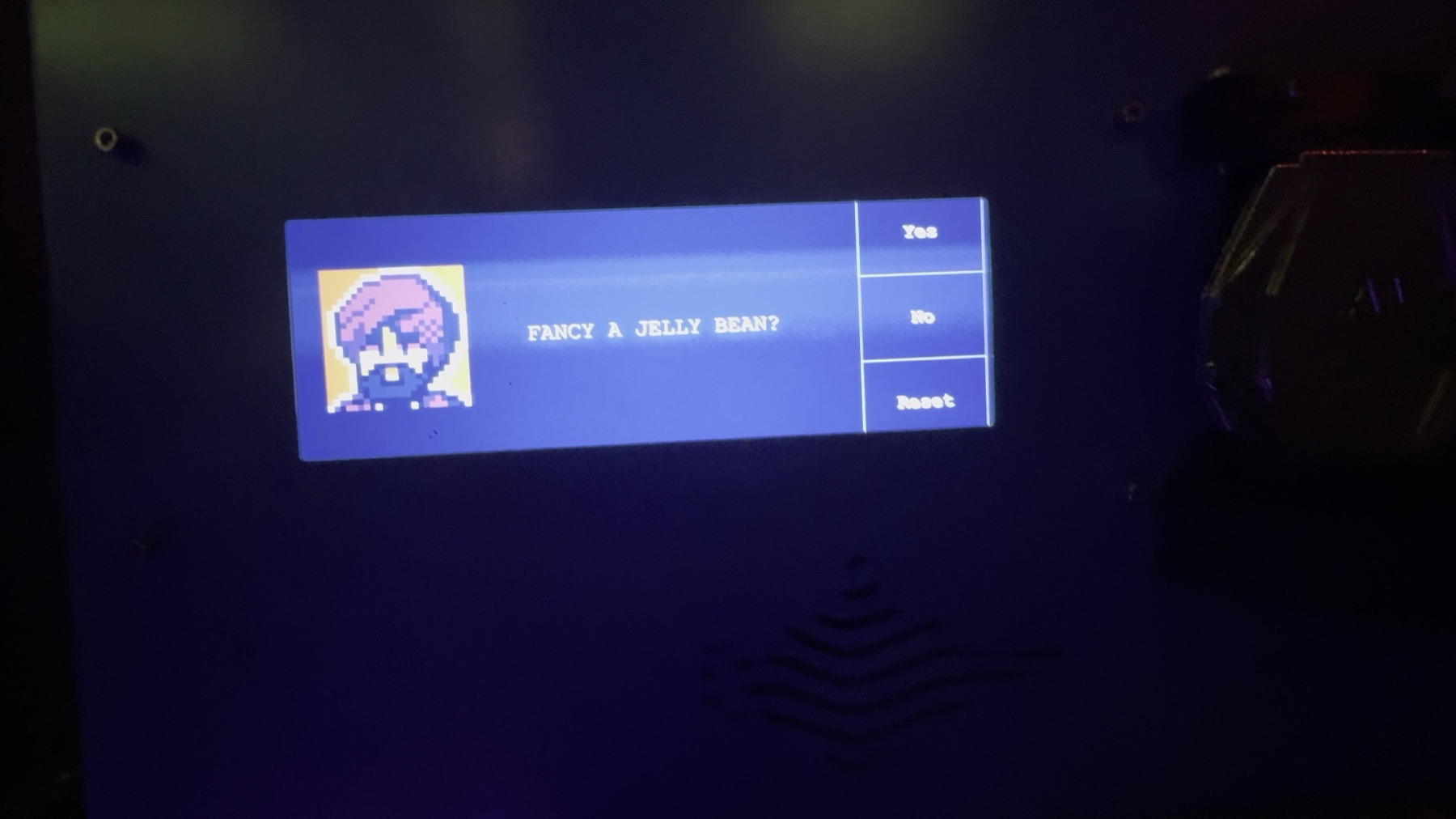
Each puzzle managed its own inputs, outputs, and logic while communicating with a central TouchDesigner system. That system tracked the state of the game and coordinated lighting, audio, screens, vibration effects, hints, puzzle availability, transitions, and resets.
OSC messaging connected separate PCs, Raspberry Pis, microcontrollers, and game applications. An action in one part of the room could trigger events anywhere else, so the whole room behaved as one system.
Technology Hidden in the Props
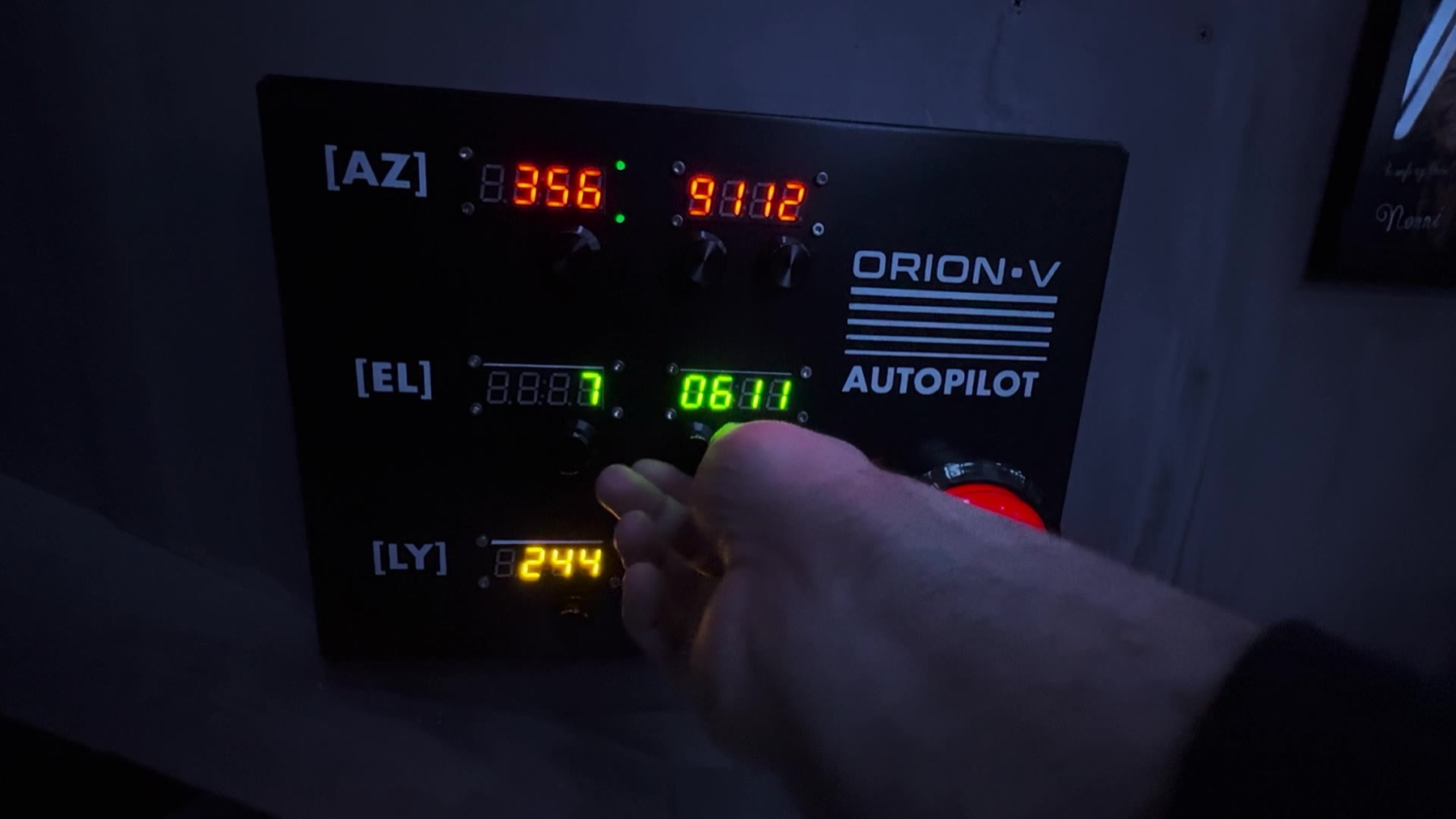
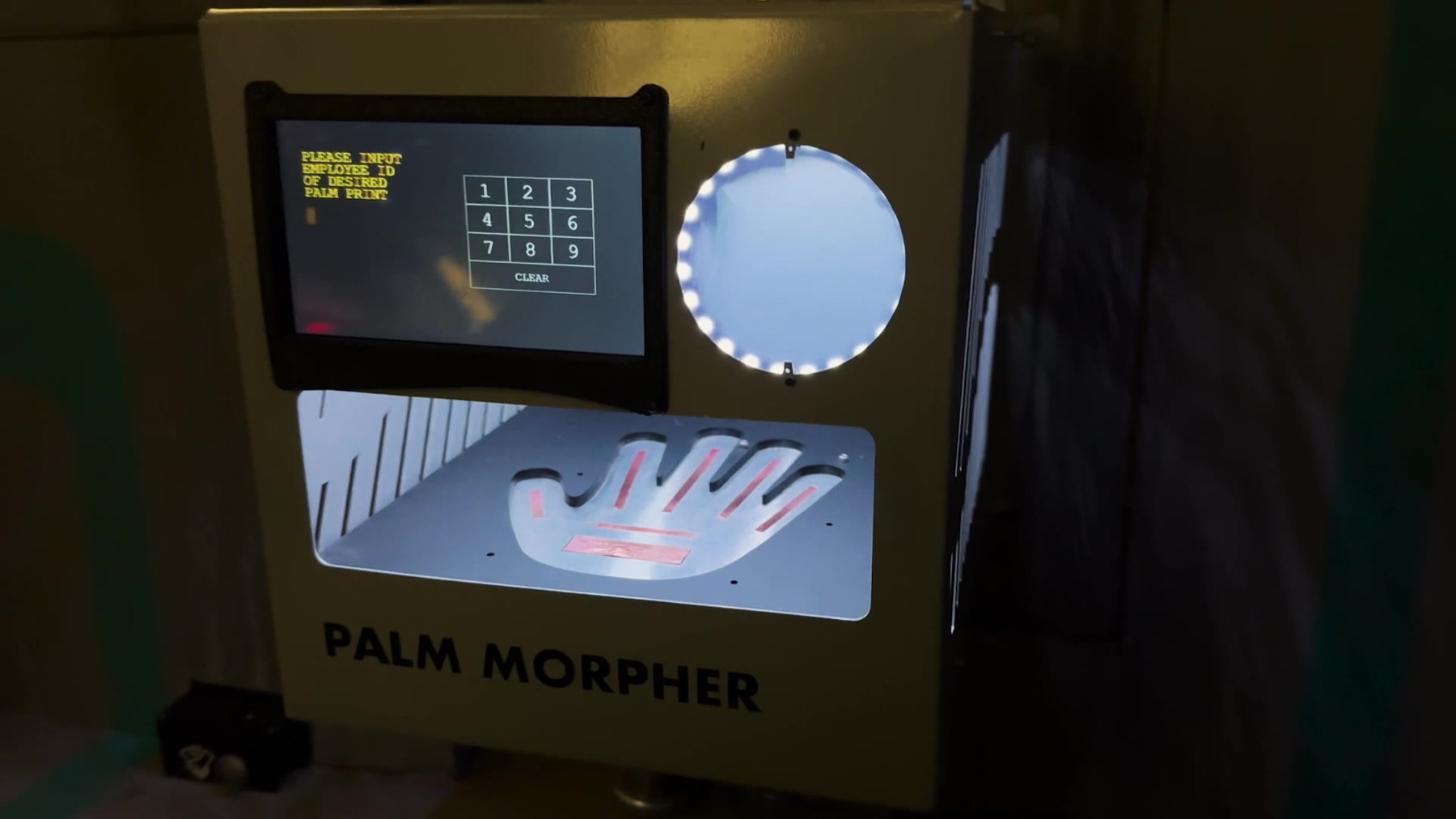
Many of the interactions used sensors and software hidden inside physical props.
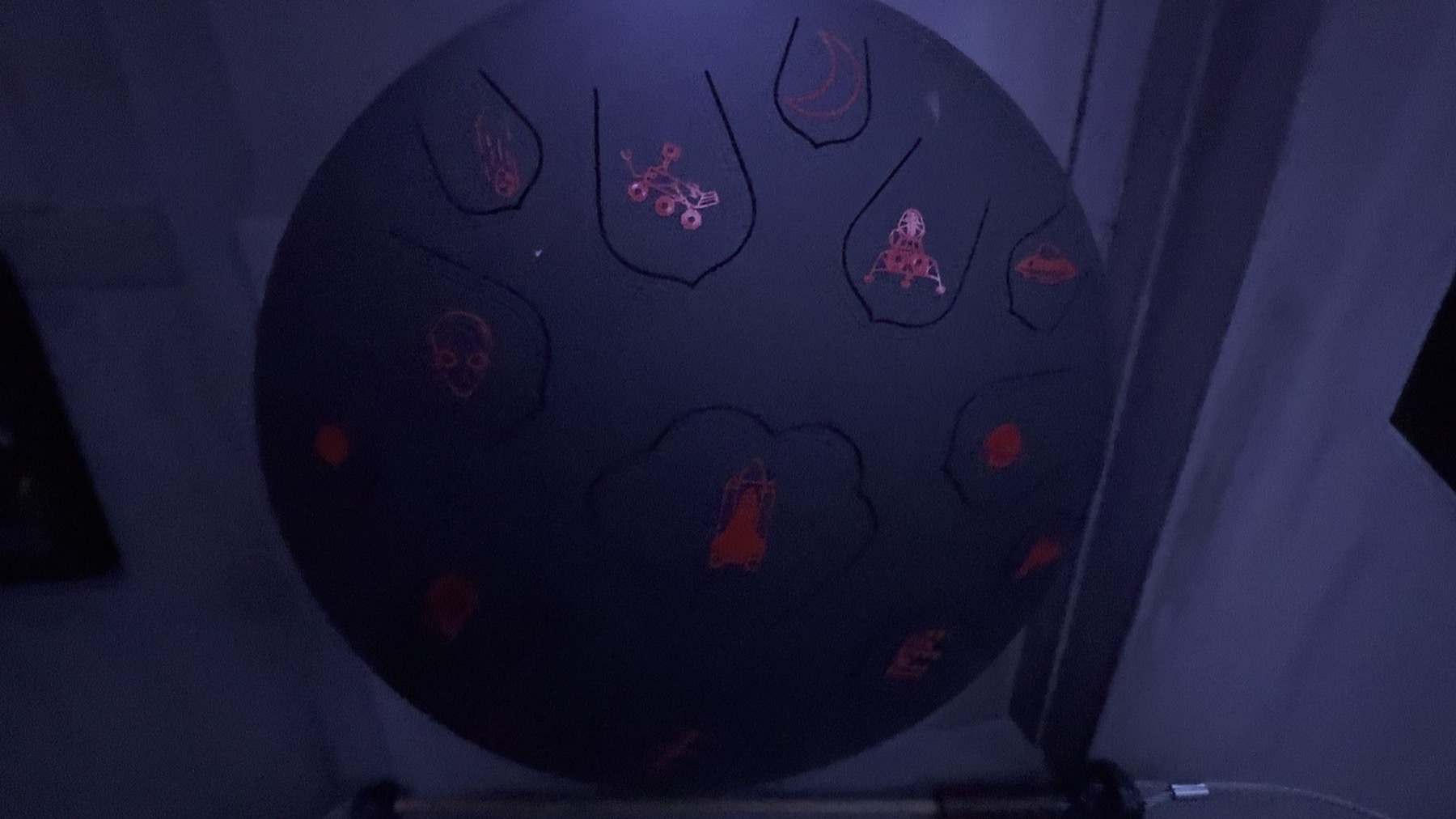
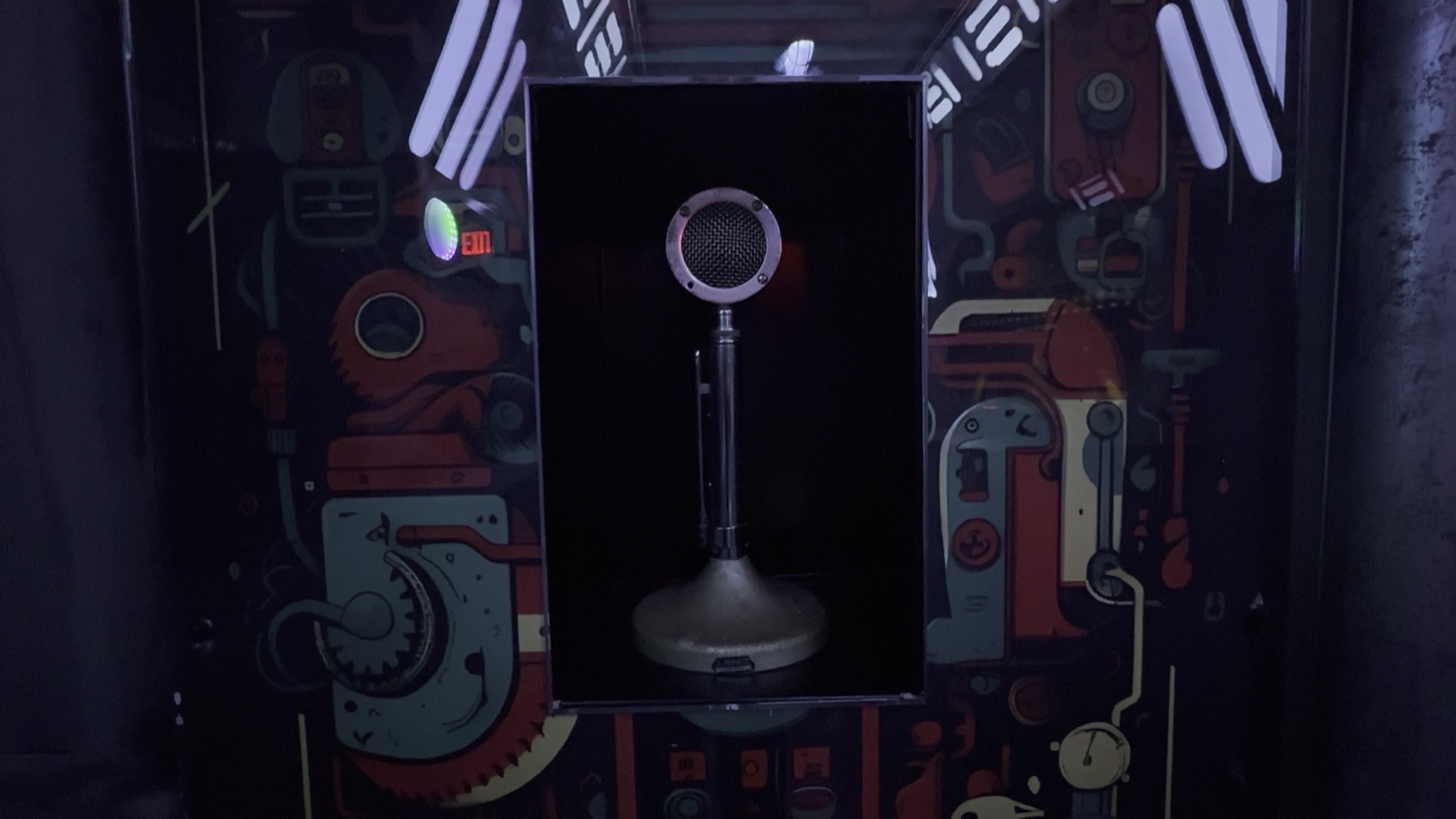
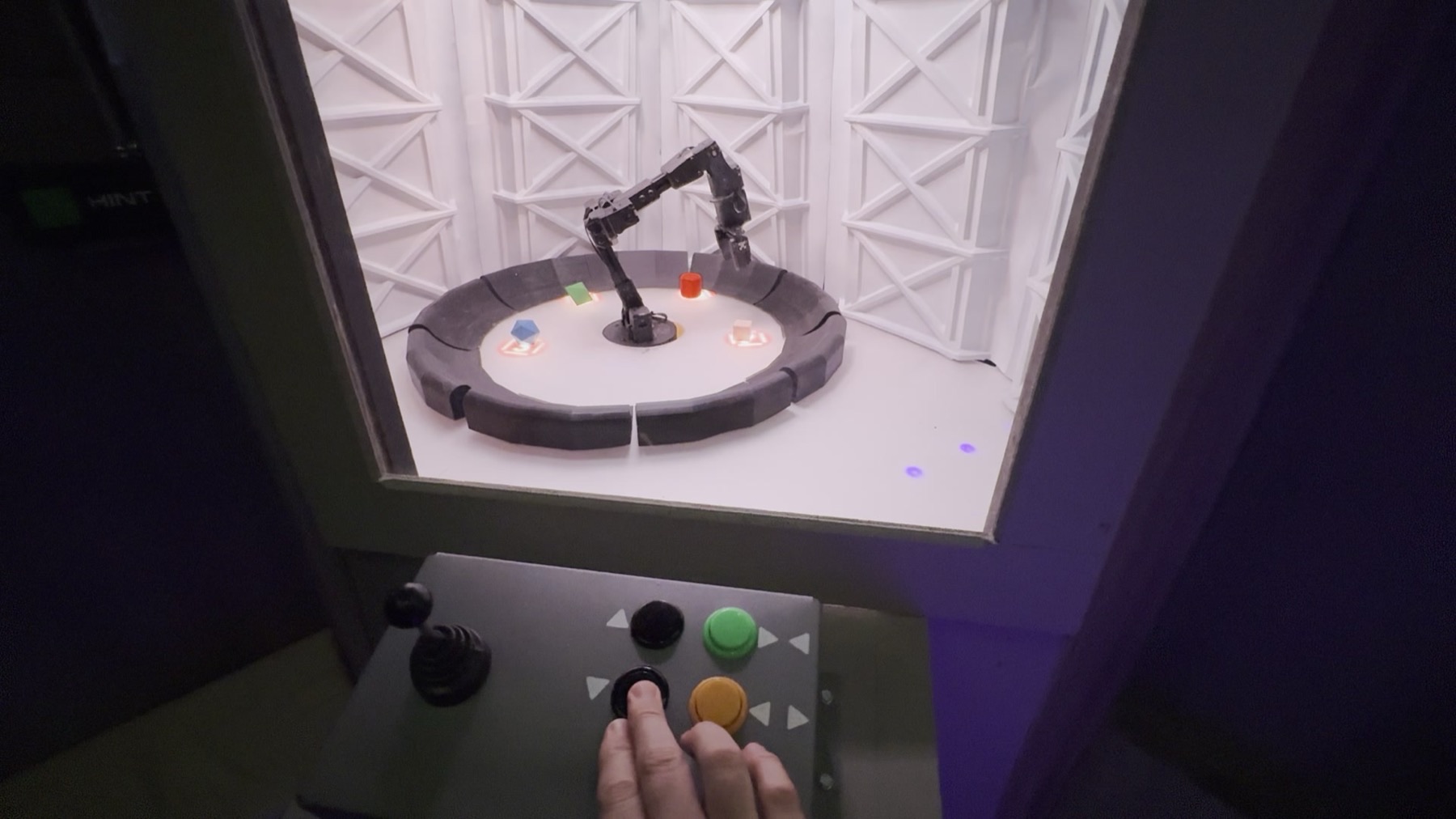
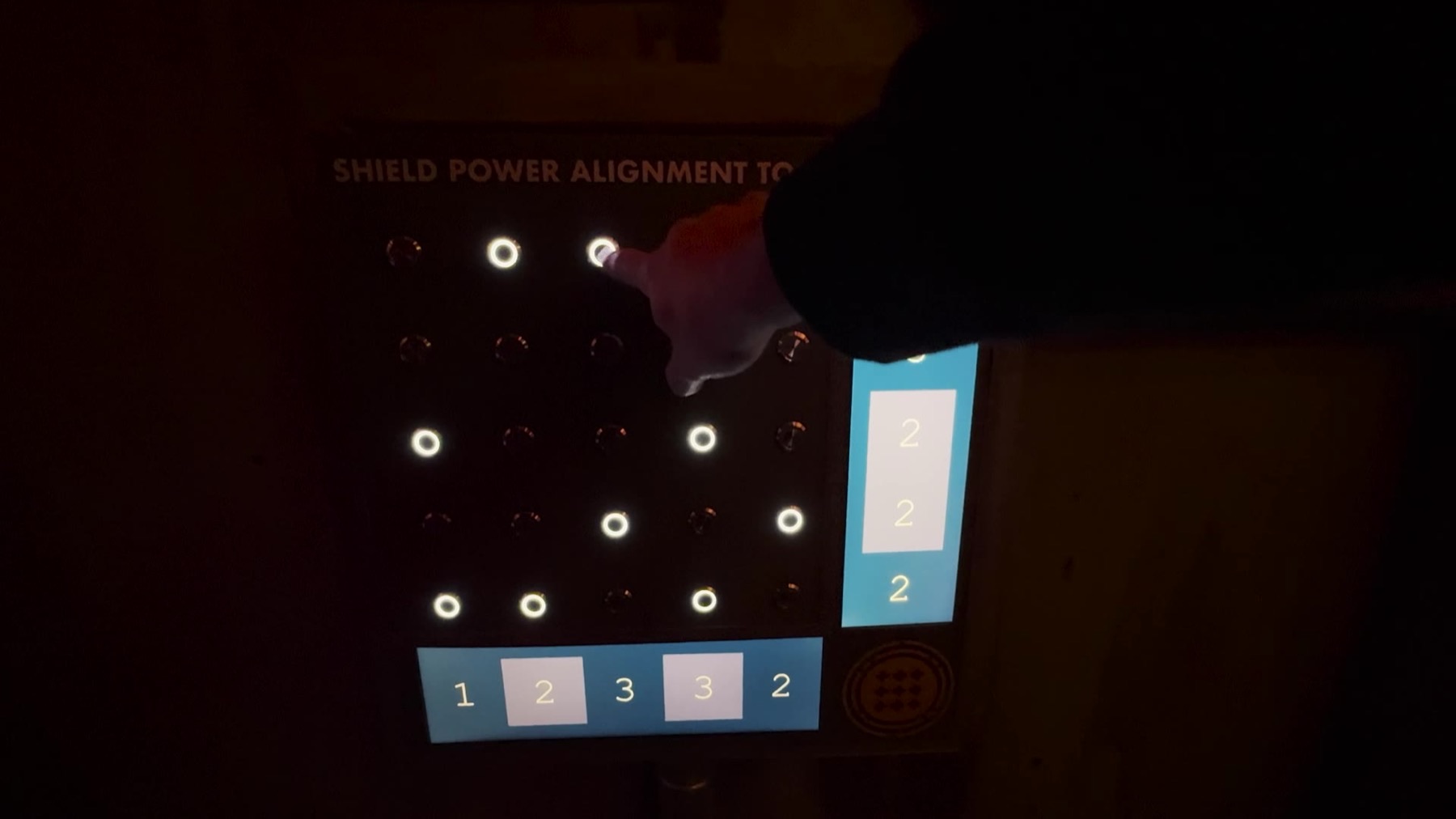
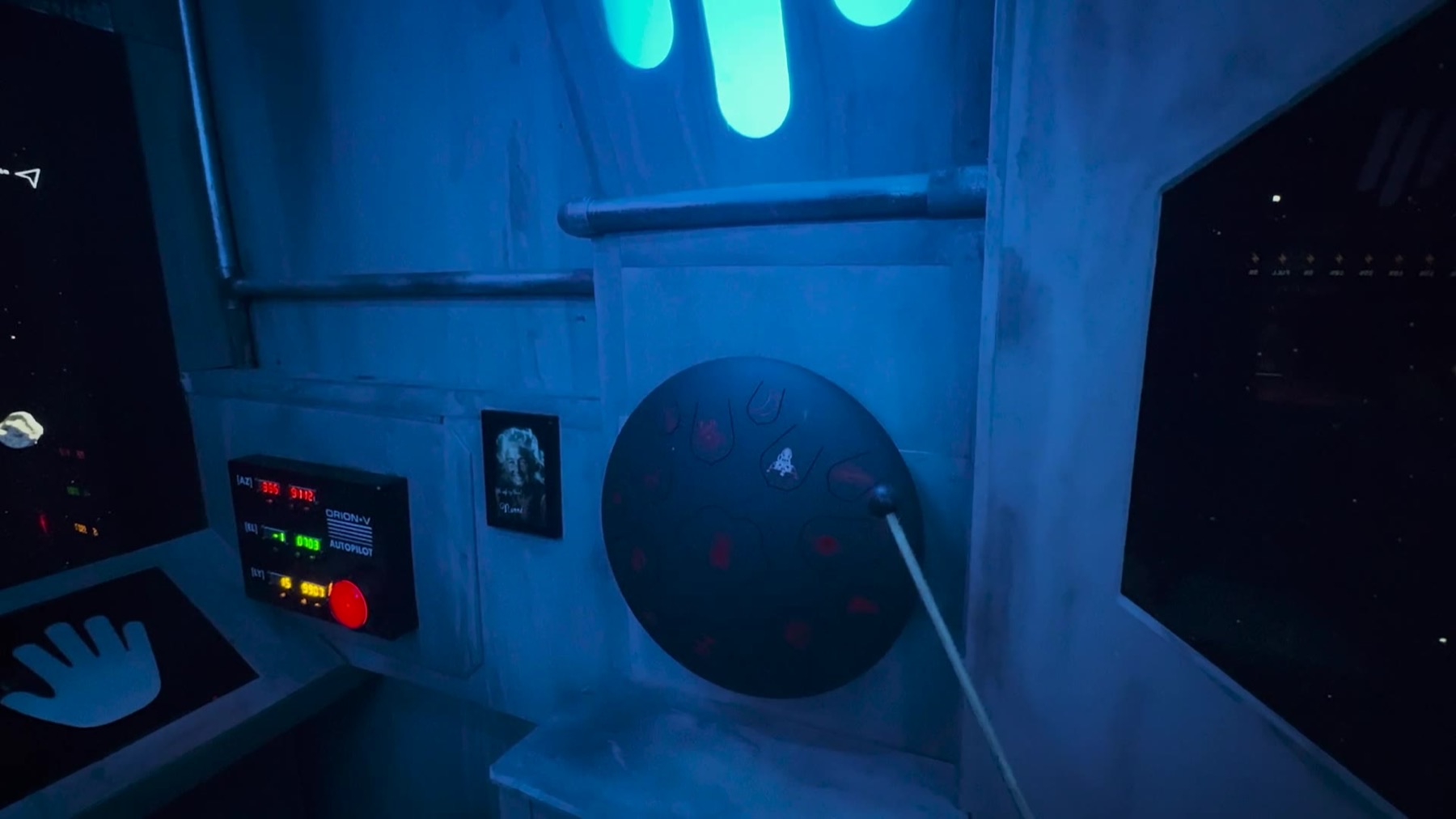
A microphone concealed inside an instrument listened for the correct note during a music puzzle. Another challenge used computer vision to check whether players had positioned physical objects correctly with a robotic arm. Other puzzles incorporated pressure sensing, capacitive buttons, conductive contacts, physical dials, custom lighting, and vibration.
The room was full of technology, but players mainly encountered objects that responded naturally within the story.
A Personalized Introduction
Each group received a custom introduction based on the team name submitted with its booking. Language and speech-generation tools created a playful roast of the name and inserted it into the otherwise prerecorded sequence.
The room appeared to address the players personally, giving every group a different opening without requiring staff to create it manually.
Designed for Daily Operation
The system also needed to be reliable and practical for staff. It included automatic startup routines, scheduled restarts, room-wide resets, heartbeat signals, diagnostic views, remote access, and game-master controls.
Later tools handled hints, game timing, statistics, and photo management. That operational layer is what turned a working prototype into an attraction that runs every day and can be supported remotely.
Technical Specifications
- Venue
- Escape room built inside a shipping container
- Show control
- Central TouchDesigner system tracking game state and coordinating lighting, audio, screens, vibration, hints, puzzle availability, transitions and resets
- Devices
- Networked PCs · Raspberry Pi · Arduino microcontrollers
- Messaging
- OSC between PCs, Raspberry Pis, microcontrollers and game applications
- Computer vision
- OpenCV, object positioning checks with a robotic arm
- Audio & language
- Concealed microphone note detection · GPT API and speech recognition for personalized intros
- Physical computing
- Addressable LEDs · pressure sensing · capacitive buttons · conductive contacts · physical dials · vibration · custom electronics
- Scripting
- Python
- Operations
- Automatic startup, scheduled restarts, room-wide resets, heartbeat signals, diagnostics, remote access, game-master controls
- Run
- 2023–2024
More From the Room
What Else Is Possible
Concept, interaction design, hardware, software, fabrication, show control: on this project we led all of it as one build, from early prototypes through opening. The same holds for a museum exhibit, a branded activation, or any themed room where a physical action needs a coordinated response from the whole space.